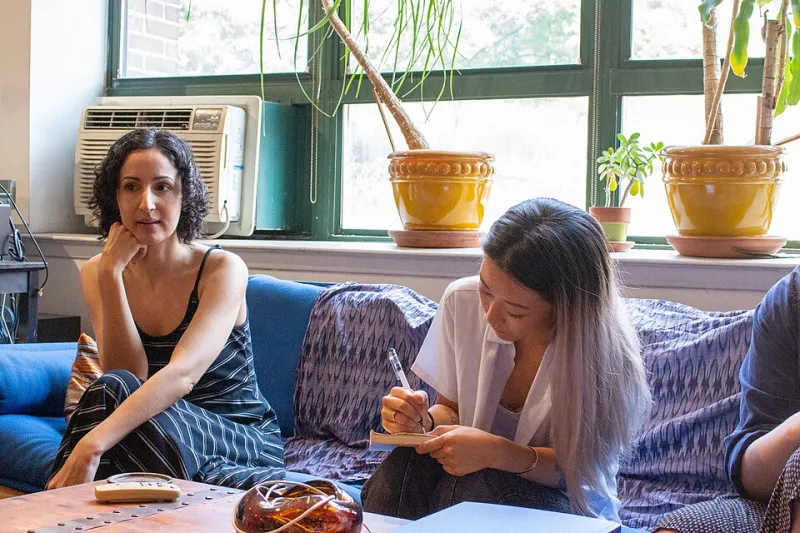
Two Voices, One Canvas: What Collaborating With Other Artists Does to Your Alone Time
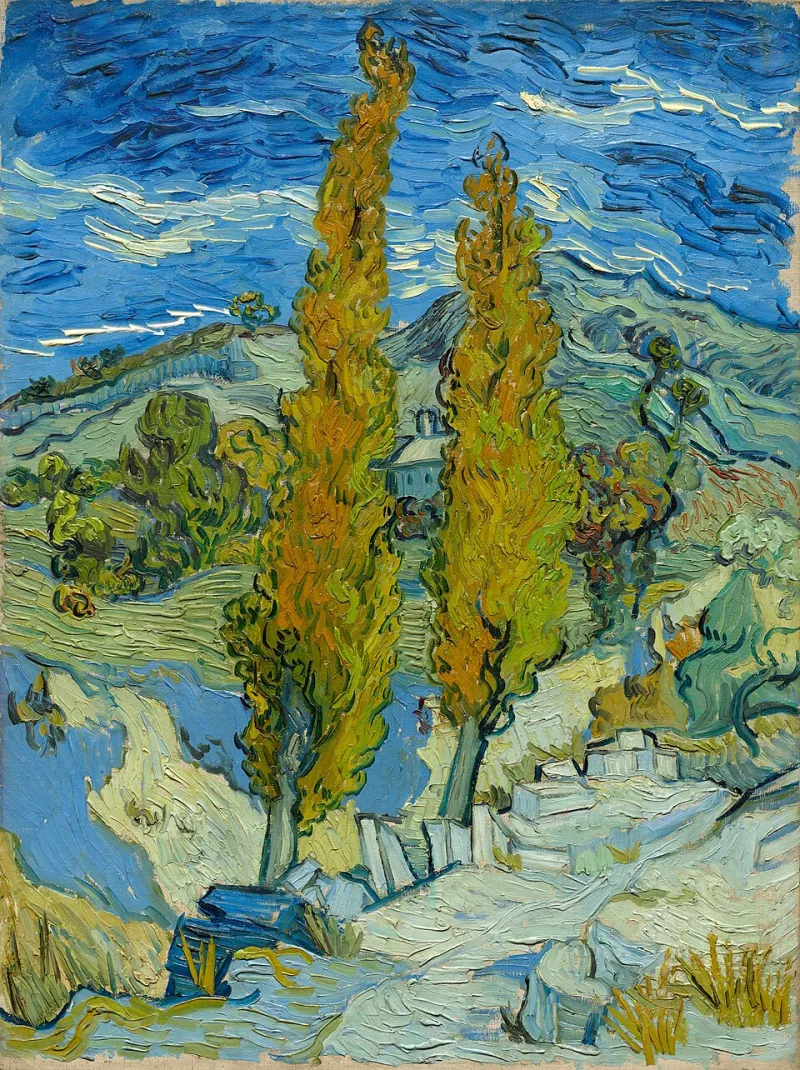
Photo: Vincent van Gogh, Public domain, via Wikimedia Commons
There's a version of the independent creator story that goes like this: you find your voice, you build your thing, you protect it fiercely. Other people are noise. Collaboration is compromise. The solo path is the pure path.
And honestly? That story is pretty seductive. It's clean. It lets you stay in control.
But it's also kind of a lie.
Some of the most distinctly individual creative voices out there — the ones that feel utterly singular and impossible to imitate — got that way partly because their owners spent time working alongside other people. Not despite it.
The Paradox Nobody Talks About
Here's the thing about working alone for too long: you stop seeing the edges of your own assumptions. Your habits start to feel like facts. The way you pace a story, the colors you always reach for, the structural moves you make without thinking — they calcify. Not because you're lazy, but because repetition is comfortable, and comfort doesn't ask questions.
Collaboration does.
When you work with another artist — even on a single project, even briefly — you're suddenly required to articulate choices you've never had to explain before. Why does the piece open this way? Why that palette and not this one? Why does the chorus land there?
You either defend those choices and discover they were load-bearing all along, or you realize you were just doing them out of habit. Either outcome is useful. Both of them make your solo work smarter.
Illustrator and zine-maker Nadia Iqbal, who runs a one-person shop out of Chicago, put it plainly in a 2022 interview: "Every time I collaborate, I come back to my own work with receipts. Like, I know exactly why I do what I do now. Before, I just did it."
That kind of earned self-awareness is hard to manufacture in isolation.
Choosing Your People Carefully
None of this means you should say yes to every collab that lands in your inbox. The wrong collaboration doesn't sharpen you — it just exhausts you and muddies the work.
The creators who seem to navigate this best tend to follow a few loose but consistent principles.
Work with people who are different, not opposite. There's a difference between a collaborator who challenges your thinking and one who fundamentally disagrees with your values. The first kind creates productive friction. The second kind creates paralysis and resentment. Look for someone whose work you genuinely admire but whose process feels foreign to yours — a writer who thinks visually, a musician who approaches composition almost architecturally.
Set a container. The collaborations that go sideways often do so because nobody defined the scope upfront. Is this a one-off? A series? Who holds final say on what? These aren't bureaucratic questions — they're the infrastructure that lets creativity actually move. When the boundaries are clear, both people can take bigger risks inside them.
Treat it like a field trip, not a merger. You're not becoming the same entity. You're visiting someone else's creative country, picking up a few phrases, maybe bringing back a souvenir or two. The goal isn't to blend your voices into something unrecognizable. It's to return to your own voice with new material to work with.
What Actually Transfers Back
So what does the solo work look like after a real collaboration? In practice, the changes tend to be quieter than people expect. You probably won't suddenly start making completely different work. It's more subtle than that.
You might find yourself more willing to sit with uncertainty in the early stages of a piece, because you watched your collaborator do it and saw that it wasn't fatal. You might start editing more ruthlessly because you had to advocate for cuts in a shared project and discovered how much lighter things got. You might develop a tolerance for showing rough drafts, because collaboration requires it and the world didn't end.
Poet and essayist Marcus Webb described it once as "learning to have a looser grip." He spent a year co-writing a chapbook with a visual artist he met at a residency in Vermont. The project itself was small — maybe three hundred copies printed, mostly given away. But he said the way he approached his next solo collection was completely different. Less precious. More willing to throw a whole section away and start over.
The collaboration taught him that the work wasn't as fragile as he'd been treating it.
When Your Voice Gets Louder by Sharing the Mic
There's a counterintuitive thing that happens when you genuinely share creative space with someone else: you often come out of it with a sharper sense of who you are and what you're actually going for. Not because you found yourself in opposition to them, but because the act of explaining, negotiating, and building something together forces a kind of self-inventory that solitude rarely demands.
You figure out your non-negotiables. You find the places where you're flexible and the places where you're not. You discover which of your tendencies are core to your identity and which ones were just defaults you'd never examined.
That's not a small thing. Most creators spend years trying to get that level of clarity about their own work.
So if you've been keeping the door locked because you're worried about losing something — maybe crack it open a little. Pick the right person. Set a clear scope. See what you bring back.
Your solo work might be waiting for exactly that.